

EPO 3000iu
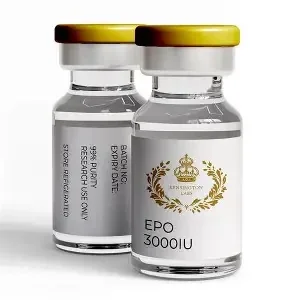
For research purposes only, this product is not intended for human consumption, diagnosis, or treatment. It has not been approved by the FDA or MHRA. Sales are limited to qualified researchers and institutions, and misuse could lead to account termination or legal consequences.
Comes with 5 x Needles and 5 x alcohol wipes
EPO peptides are synthetic compounds that mimic specific functions of the hormone erythropoietin, designed to provide tissue-protective effects without excessively stimulating red blood cell production.
Overview
EPO peptides are short, synthetic molecules derived from erythropoietin (EPO), a hormone naturally produced by the kidneys that regulates red blood cell production (erythropoiesis) in response to low oxygen levels. Unlike full-length EPO, which is a large glycoprotein of 165 amino acids, EPO peptides typically consist of 11 to 20 amino acids and are engineered to target specific functional regions of the hormone. This smaller size improves stability, reduces manufacturing costs, and allows better tissue penetration, including into the central nervous system.
Mechanism of Action
EPO peptides interact with the erythropoietin receptor (EpoR) but are designed to minimize the activation of the homodimeric receptor complex responsible for red blood cell production. Instead, they preferentially activate a heterodimeric receptor complex, which mediates tissue-protective and cytoprotective effects. For example, peptides like the pyroglutamate helix B surface peptide (PHBSP) are derived from the helix B region of EPO, which is associated with tissue protection rather than erythropoiesis. Other synthetic mimetics, such as EMP1, can activate the receptor without sharing amino acid sequence similarity with natural EPO.
Therapeutic Uses and Benefits
EPO peptides are being investigated for their therapeutic potential in conditions where tissue protection is beneficial, such as neuroprotection, cardiovascular injury, and inflammation, without the risks associated with increasing red blood cell counts. By avoiding excessive erythropoiesis, these peptides reduce the risk of blood thickening, thromboembolism, and cardiovascular complications that can occur with recombinant EPO therapy.